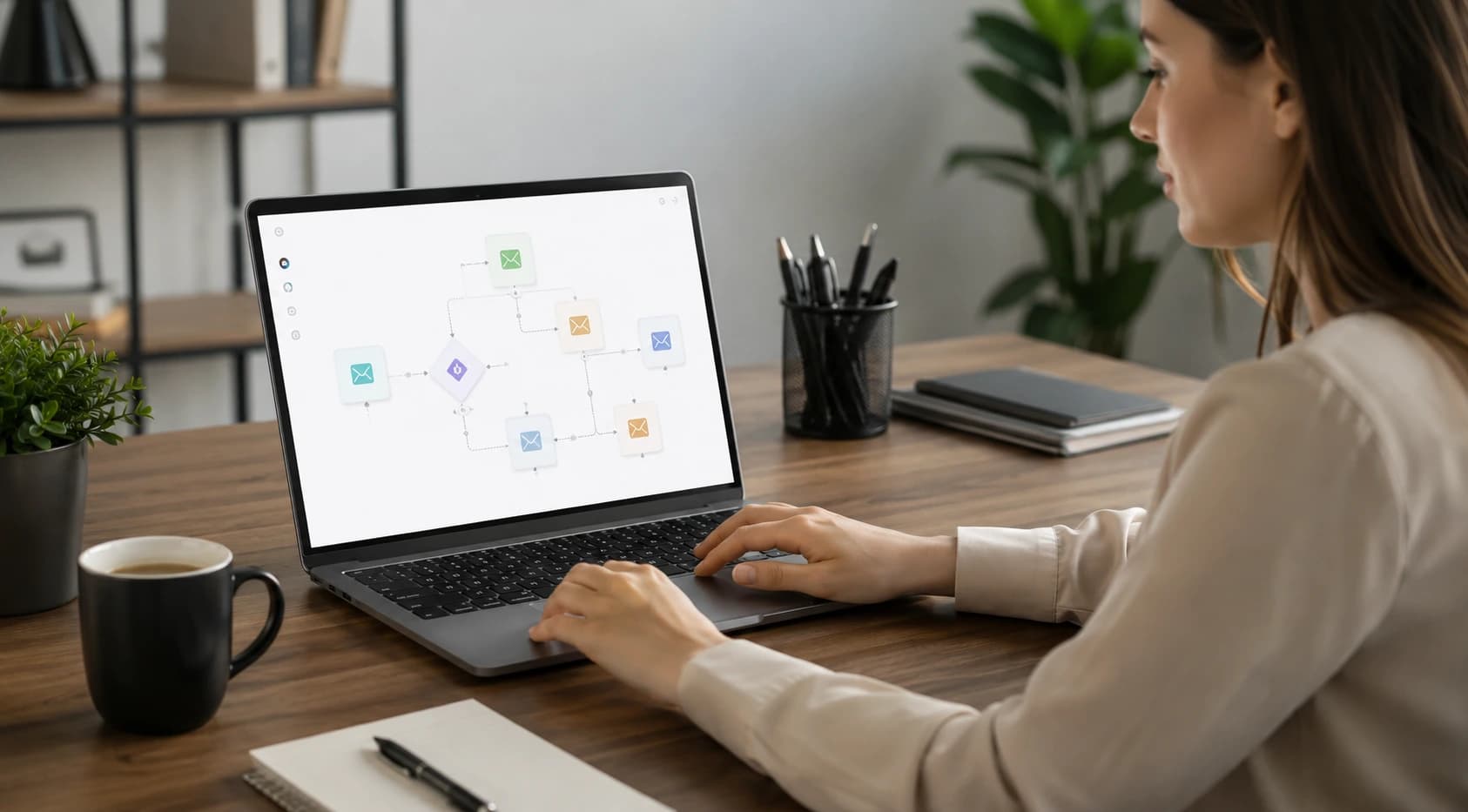
Managing customer emails can quickly become overwhelming. You may send newsletters, reminders, promotions, and personal messages. However, manual sending often creates delays, mistakes, and inconsistent communication. A well-planned email marketing automation workflow can solve these problems. It helps businesses send relevant messages at the right time. It also reduces repetitive work and keeps customer communication organized. ClickUp can help teams manage campaigns, deadlines, tasks, and communication workflows efficiently. The right approach starts with a clear strategy. Then, automation tools can turn that strategy into a reliable system.
Why Manual Email Communication Becomes Difficult
Many businesses still manage important emails manually. This approach might work with a small audience. However, communication becomes harder as your customer list grows. You may forget important follow-ups or send messages too late. You might also repeat information across different campaigns. These issues can reduce engagement and create unnecessary administrative work. Personal occasions create another challenge. For example, sending a thoughtful birthday message to a coworker requires timing and personalization. Similarly, writing congratulations on promotion messages requires a personal touch. Businesses often need these messages alongside regular marketing campaigns. Without organization, these tasks quickly become difficult to manage.
What Causes Email Workflow Problems?
Most email problems start with poor organization. Teams often store customer information across different spreadsheets and applications. This makes information difficult to access and update. Consequently, employees spend more time searching for details. A clear data structure can solve much of this confusion. It organizes information into useful categories and makes important details easier to find.
For example, a customer record might include:
Name and contact information
Purchase history
Communication preferences
Important dates
Customer interests
Previous campaign interactions
When businesses organize information properly, automation becomes much easier.
Build an Email Marketing Automation Workflow
A successful workflow should follow a simple customer journey. Start by identifying the message you want to send. Then, determine what action should trigger that message. Common triggers include purchases, sign-ups, birthdays, and website activity. Next, create the email and define its timing. Finally, test the entire sequence before activating it.
A basic workflow might look like this:
Customer action → Trigger → Email → Waiting period → Follow-up
This structure keeps campaigns consistent and predictable. A drip campaign can also help nurture customers over time. Instead of sending everything immediately, you gradually deliver useful information. For example, a new subscriber could receive a welcome email first. A helpful product guide could follow several days later. Another message could introduce relevant products afterward. This approach keeps communication useful without overwhelming recipients.
Make Personal Messages Easier to Manage
Automation should not make communication feel robotic. Personal messages still need warmth and genuine consideration. You can create templates for recurring occasions while adding personal details manually. For example, a simple birthday message to a coworker can recognize their contribution. You can also mention something positive about working with them. Likewise, a congratulations on a promotion message can acknowledge their achievement. A thoughtful sentence can make the message feel much more personal. Create separate templates for common situations. Then, customize important details before sending them. This strategy saves time without removing the human element.
Use Data Structure to Improve Personalization
Personalization depends on accurate information. Therefore, businesses should maintain a consistent data structure across their systems. Organize contacts according to useful characteristics. These might include customer status, interests, purchase behavior, or communication preferences. Then, connect those categories with your email campaigns. For example, customers who purchased recently might receive product-care information. Meanwhile, inactive customers might receive helpful re-engagement content. Good organization also improves reporting. You can identify which campaigns perform well and adjust future communication accordingly.
Choose the Right Drip Campaign Strategy
Not every customer needs the same messages. A single sequence can therefore limit your results. Instead, create different drip campaign sequences for different audiences. You could create one sequence for new subscribers. Another sequence could target returning customers. A third sequence could support customers after their purchase. Keep each sequence focused on one specific objective. This makes your messaging easier to understand and measure. Also, avoid sending too many emails. Give recipients enough time to read and respond to each message.
Consider a Premium Workflow Management Solution
As your workflow becomes more complex, managing everything manually becomes inefficient. A platform such as ClickUp can help organize the work behind your campaigns. ClickUp can bring tasks, deadlines, documents, and team responsibilities into one organized workspace. This makes campaign planning easier for teams handling multiple projects. You can create tasks for writing, reviewing, scheduling, and analyzing campaigns. Teams can also assign responsibilities and track progress from one location. Using ClickUp alongside your existing email platform can create a more organized workflow. The email system handles communication, while your project workspace keeps the supporting work structured.
Benefits of Upgrading Your Workflow
A better workflow offers several practical advantages. First, automation reduces repetitive administrative tasks. Your team can spend more time creating valuable campaigns. Second, organized information makes personalization easier. Teams can quickly find relevant customer details and campaign data. Third, consistent workflows reduce missed deadlines. Everyone understands their responsibilities and upcoming tasks. Finally, better organization makes growth easier. You can expand your campaigns without adding unnecessary manual work. ClickUp can support this process by giving teams a central place for planning and coordination. Instead of tracking campaign details across scattered notes, teams can maintain a clearer workflow. The result feels less chaotic and more manageable.
Keep Automation Human
Automation should support relationships rather than replace them. Customers still appreciate useful, relevant, and thoughtful communication. Therefore, review automated messages regularly. Remove outdated information and update content when necessary. Also, personalize messages whenever possible. A well-timed message can feel much more meaningful than a generic template. This principle also applies internally. A thoughtful birthday message to a coworker should still sound genuine. A congratulations on a promotion message should recognize the person's actual achievement. Technology should make these moments easier, not less personal.
Create a Smarter System Today
Effective email marketing does not require constant manual effort. A clear email marketing automation workflow can organize communication and reduce repetitive tasks. Start with a strong data structure. Then, build focused campaigns around specific customer actions. Use a drip campaign when customers need information gradually. Finally, organize the supporting work with a platform such as ClickUp. This combination can help teams manage campaigns more efficiently while maintaining personal communication. The goal is not to automate everything. Instead, automate repetitive processes while protecting the human moments that matter. With the right structure, your email strategy can become simpler, more consistent, and easier to scale. ClickUp can help keep the planning side organized while your email platform handles customer communication.